Why Luxury Buyers Shift to Electric Cars
advertisement
The world of luxury automobiles is experiencing a subtle transformation, as sophisticated consumers are progressively replacing internal combustion engines with electric powertrains. This transition goes beyond merely being eco-conscious; it aims to redefine the premium driving experience through uniqueness, technological advancement, and enduring worth that correlate with the changing values of affluent individuals.
Beyond Range: Battery as a Luxury Asset
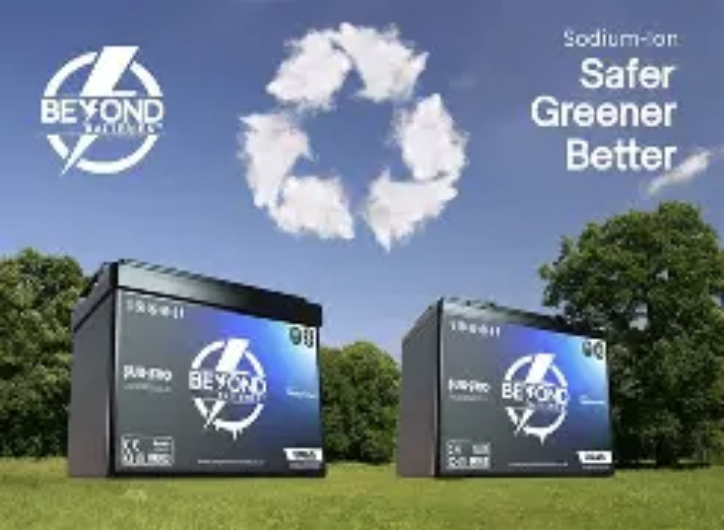
Contemporary electric vehicle batteries have moved beyond simple utility to serve as indicators of status. The second-generation sodium-ion batteries from CATL function well in extreme cold at -40℃ while retaining 91% of their range, whereas BYD's Blade Battery preserves 82% of its capacity even after ten years of utilization. For luxury automobile owners, this translates to dependable performance on skiing excursions in Aspen or during the hot summers in Dubai, eliminating concerns about battery life and showcasing battery technology as an achievement of engineering rather than a limitation.
Sustainable Materials Redefine Opulence
Companies such as Polestar are enhancing vehicle interiors with a focus on circular luxury, utilizing 89% recycled PET knit upholstery, reclaimed birch wood accents, and biodegradable MicroTech free from fossil fuels. These materials provide ecological benefits as well as distinctive textures and origin stories that mass-produced leather cannot provide. Each reclaimed wood piece exhibits unique characteristics, leading to customized interiors that narrate a tale of mindful artistry, attracting consumers who appreciate exclusivity with intention.
Refinement is a hallmark of luxury, and electric vehicles achieve this through their nearly silent environments and immediate torque. The BMW iX1 upholds the brand's renowned handling characteristics while removing engine sounds, allowing passengers to indulge in Bowers & Wilkins audio systems or engage in private conversations without disturbance. This acoustic tranquility, combined with smooth acceleration, offers a driving sensation that resembles the experience of a private jet rather than that of a typical car.
Luxury Charging: Convenience as a Status
Affluent electric vehicle owners are not waiting at public charging locations. Luxury brands provide personlized charging services, advanced home energy management solutions, and elite access to rapid charging infrastructures. Some manufacturers even equip vehicles with portable chargers in storage compartments, guaranteeing energy availability no matter where the trip takes them—be it a villa in Tuscany or a yacht club in Monaco. This seamless process transforms refueling from a mundane task into a demonstration of effortless luxury.
Residual Value: A Smart Investment
High-end electric vehicles are proving to be valuable financial investments. BMW's electric vehicle sales of 368,523 in 2024—surpassing Audi and Mercedes in total—showcase solid market demand that boosts resale values. With reduced maintenance expenses (such as the absence of oil changes and a smaller number of moving parts) and innovative battery repurposing initiatives, these vehicles maintain their desirability well beyond their initial purchase, resonating with luxury consumers focused on lasting value.

For contemporary luxury consumers, electric vehicles symbolize the ideal combination of innovation, ethical responsibility, and exclusivity. These buyers are not only opting for electric vehicles—they are welcoming a redefined notion of luxury that appreciates technological progress, sustainable production methods, and seamless performance. As battery innovations advance and luxury brands intensify their electrification efforts, this transition is not simply a fad; it represents the upcoming evolution of automotive grandeur.
(Writer:Hoock)
Related Articles