Has Mobile Photography Replaced Cameras?
advertisement
In a time when smartphones come equipped with advanced cameras, a discussion unfolds: Have mobile devices taken the place of traditional cameras? For knowledgeable photography lovers and high-level professionals, the situation is complex. Although smartphones have changed the landscape of accessibility and ease of use, dedicated cameras retain an invaluable role in certain areas. The crux of the matter lies not in replacement but in how each instrument fulfills unique creative and practical requirements.
Computational Photography: The Magic of Phones
Smartphones shine in simplifying intricate shots into easy successes, made possible through computational photography. Functions such as Apple’s ProRAW alongside Photographic Styles, and Samsung’s Single Take mode merge various exposures, artificial intelligence scene detection, and immediate editing to deliver refined results. A luxury travel influencer successfully captured vivid sunset images in Santorini with a phone’s Night Mode, obtaining a dynamic range previously achievable only with a DSLR and a tripod. For spontaneous, on-the-go experiences, smartphones remove the learning curve while maintaining quality.
Sensor Size & Optics: The Unrivaled Advantage of Cameras
Dedicated cameras, particularly mirrorless and medium-format varieties, feature larger sensors and interchangeable lenses that smartphones cannot compete with. The Sony A1’s full-frame sensor captures stunning 8K video imbued with cinematic richness, while the Hasselblad X2D’s medium-format sensor captures intricate details in luxury product photography—from cashmere sweater textures to the brilliance of diamond jewelry. Professional photographers continue to depend on cameras for commercial projects, as every pixel and bokeh contributes to defining a brand’s visual presence.
Specialized Shooting: Cameras Excel in Specific Areas
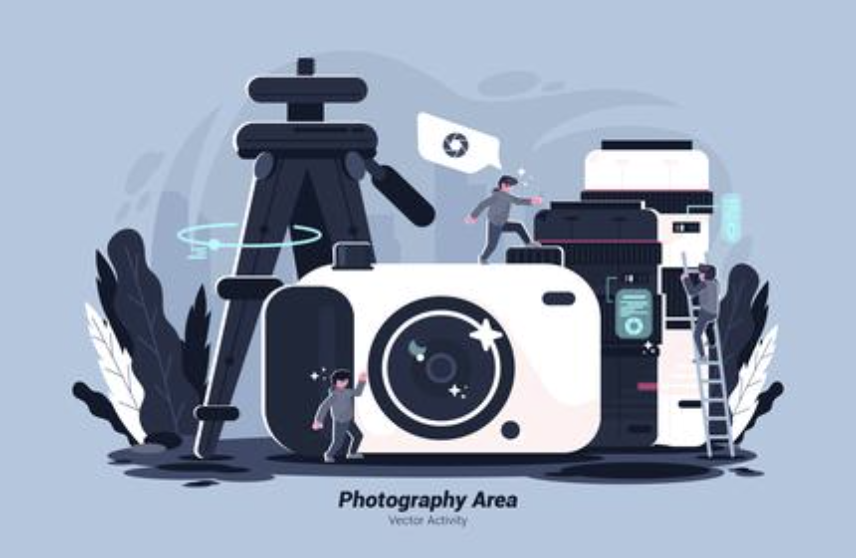
Certain niche photography fields remain firmly in the domain of cameras. Wildlife photographers rely on Canon R5’s 600mm telephoto lenses to photograph distant creatures without distortion. Astrophotographers leverage the low-light capability of the Nikon Z7 II to capture starry skies with sharp constellations. Even underwater photographers use robust camera housings, as phone cases can’t provide the strength and lens versatility required for deep-sea photography. In these specialized areas, smartphones serve as secondary options rather than substitutes.
Professional photographic processes favor the use of dedicated cameras. Software like Lightroom Classic works effortlessly with camera RAW files, delivering editing capabilities far superior to those available in phone applications. A fashion photographer executing a campaign can connect a Fujifilm GFX 100S to a laptop, making adjustments and assessing images in real time collaboratively with the team. Additionally, cameras accommodate quicker memory cards and greater storage capacities, essential for capturing numerous high-resolution photos in a single session without any lag.
Tools for Every Vision
Mobile photography has not usurped cameras—it has broadened the audience capable of producing stunning images. Smartphones are ideal for capturing everyday moments and sharing on social media, while traditional cameras are vital for professional, specialized, and elite projects. For affluent individuals who appreciate both spontaneity and superior quality, the decision isn’t an either/or scenario—it’s about selecting the appropriate instrument for the narrative they wish to convey. Ultimately, exceptional photography centers on creativity, not merely the equipment utilized.

(Writer:Frid)
Related Articles