Future Retail: Full Digitization or Hybrid Harmony?
advertisement
As affluent lifestyles become more closely linked with advanced technology, the inquiry regarding whether retail will completely transition to digital formats has ignited meaningful discussions—particularly among discerning consumers who appreciate both groundbreaking advancements and the unique, sensory experiences that characterize high-end shopping. The resolution is not merely a straightforward affirmation or denial, but rather in the manner that new technologies transform the essence of retail, merging digital ease with the physical luxury sought by wealthy individuals, all while maintaining some degree of human interaction.

Digital Uniqueness: More Than Simple Online Commerce
Complete digitization does not equate to standard online retail; for luxury markets, it relies on technology-driven exclusivity. Exclusive online showrooms, facilitated by secure access and artificial intelligence curation, present customized previews of limited-edition lines—allowing affluent clients to explore, personalize, and secure items prior to their availability in broader markets, all within the ease of their residences.
This online structure also enhances emotional ties and brand dedication among high-end clientele, as it offers tailored, intimate experiences that brick-and-mortar shops find challenging to imitate. By integrating rigorous confidentiality, smart personalization, and priority access, it transforms luxury participation into something more than mere sales, converting online exchanges into a unique, exclusive lifestyle emblem.
MR Fitting: Bridging the Experience Gap in Online Retail
A frequent criticism of online shopping pertains to the absence of a tactile experience, yet mixed reality (MR) fitting technology addresses this concern. Sophisticated MR headsets enable users to "try on" luxurious apparel, jewelry, or home furnishings in a virtual setting, with strikingly realistic fabric textures and proportions—removing uncertainty while maintaining the excitement of discovery exclusive to high-end purchasing.
Blockchain Transparency: Safeguarding Luxury in the Digital Realm
For affluent buyers, verification of authenticity is essential. By incorporating blockchain technology in online retail, irrefutable evidence of a product’s origins, from its materials to craftsmanship, is provided, guaranteeing that digitally purchased luxury goods are authentic—tackling a significant obstacle to complete digitization and fostering confidence in online transactions.
AI Concierge: Customizing Digital Retail Interactions
In contrast to standard chatbots, AI concierges utilized in luxury digital shopping adapt to individual tastes, ranging from style to material preferences, presenting personalized suggestions and even scheduling virtual meetings with brand artisans—replicating the bespoke service of high-end physical establishments in a digital environment.
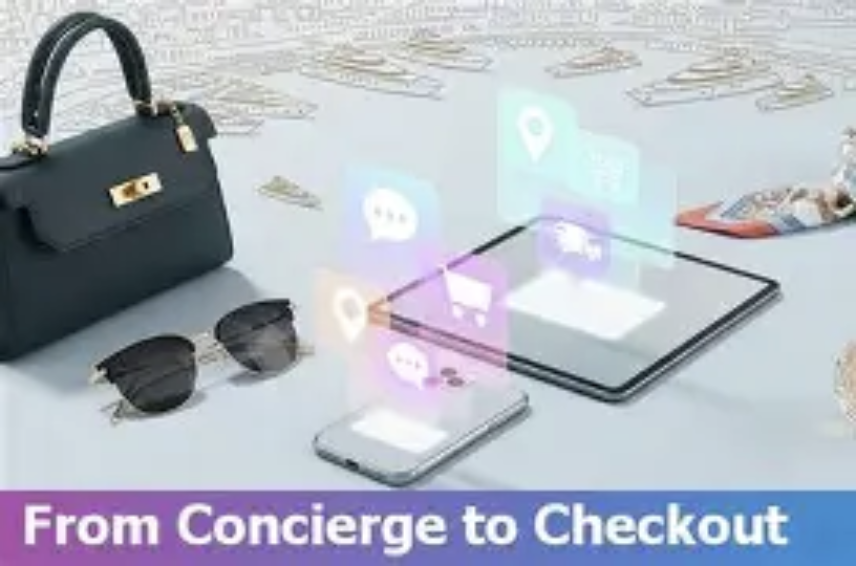
Genuine innovation is found in integration, not substitution. Luxury brands today leverage digital technologies to enhance their physical locations: in-store augmented reality mirrors display customizations in real time, while digital loyalty programs connect online purchases with in-store rewards—demonstrating that total digitization is not required to provide a seamless and premium experience.
Emotion-Tech: Adding a Human Aspect to Digital Retail Engagements
Technology that recognizes emotions introduces a personal facet to online retail by evaluating user responses to tailor recommendations and content—ensuring that digital shopping experiences are perceived as personal rather than transactional. For discriminating consumers, this technology bridges the divide between the convenience of digital shopping and the emotional bond found in traditional luxury purchasing.
Ultimately, the future of retail is unlikely to be entirely digital, but rather digitally enhanced—utilizing technology to elevate rather than diminish the key qualities that distinguish luxury retail, perfectly meeting the expectations of wealthy individuals who desire both innovation and integrity.
(Writer:Lorik)
Related Articles