Why Has Smart Home Not Truly Boomed?
advertisement
Smart home technologies have consistently been recognized as the next step in contemporary living, offering promises of ease, effectiveness, and an integrated lifestyle. Nevertheless, in spite of many years of technological progress and substantial investment in the market, they have not managed to create the widespread, significant change that many anticipated. For individuals who can invest in high-end technology, the disparity between what they expected and the reality raises an urgent question: why hasn't the smart home transformation genuinely materialized? The response involves concealed technological shortcomings, misaligned priorities, and unsatisfied expectations that even affluent consumers cannot ignore.
The Misconception of "Genuine Intelligence"
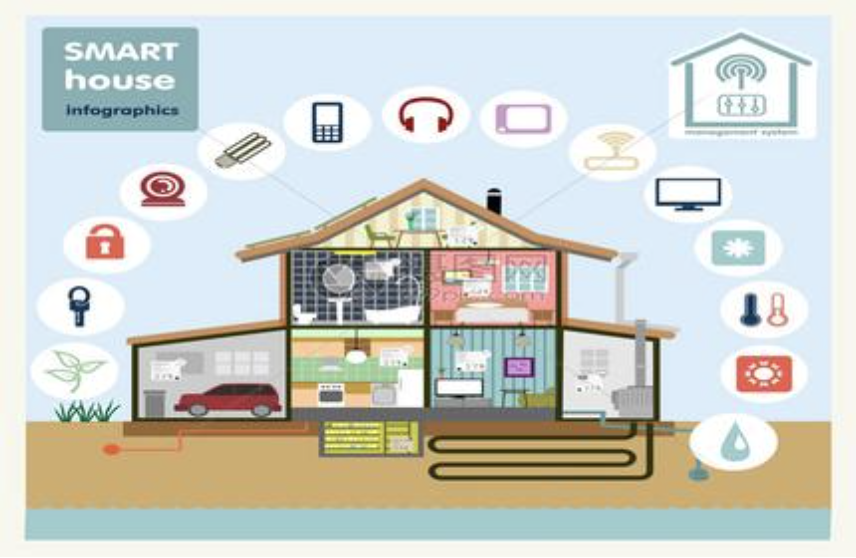
The majority of devices labeled as smart home gadgets are essentially "pseudo-smart," lacking the capability to grasp user intent beyond rudimentary commands. For instance, advanced robotic vacuums frequently become entangled with socks or wires, necessitating ongoing manual assistance despite their high costs, thereby failing to provide the promised hands-free capability.
Disjointed Systems and Incompatibility Issues
A significant obstacle is the absence of standardized protocols, resulting in a collection of devices that do not work together. Managing lights, window treatments, and climate systems often necessitates several applications, as manufacturers secure their ecosystems to maintain market dominance, transforming “smart living” into a frustrating routine of switching between apps.
This disjointed experience diminishes the fundamental benefit of intelligent living: authentic ease and automation. In the absence of seamless interoperability, even top-tier smart systems do not provide harmonious, user-friendly management, resulting in a situation where individuals contend with ineffective, isolated technology instead of a genuinely unified way of living.
Neglected Privacy and Security Concerns
Saavy consumers emphasize the importance of privacy, yet numerous smart gadgets present hidden hazards. Intelligent speakers might covertly record user conversations, while inadequately secured smart locks can be easily breached, converting convenience into a security risk that affluent users are unwilling to accept.
Overly Complex Functions vs. Essential Needs
Numerous smart home functionalities are excessively complicated, introducing extra steps rather than simplifying daily tasks. Smart fridges, for example, necessitate manual entry to identify items, rendering their "intelligent" capabilities more of an inconvenience than a genuine aid for busy, wealthy individuals.
Disparity Between Expense and Real Value
High-end smart home systems demand enormous expenditures, yet their actual value frequently fails to validate such investments. Premium models often emphasize impressive features instead of addressing pressing issues, leading consumers to feel they are investing in brand image rather than authentic advancement.
Absence of Anticipatory Service Features
Ideal smart homes should proactively meet needs, rather than solely reacting to commands. Existing devices lack the capacity to create a complete cycle of perception, decision-making, and execution, failing to adjust to user habits and making them resemble remote controls instead of intelligent aides.
The slow growth of smart homes is not due to insufficient technology, but rather a disconnect between what tech companies provide and the requirements of conscientious consumers. Until it addresses issues related to compatibility, privacy, simplicity, and value, the genuine smart home transformation will continue to be a distant aspiration.
(Writer:Matti)
Related Articles