Algorithms: The New Form of Power
advertisement
Power, which was previously associated with wealth, social standing, or political authority, is now being redefined by the subtle and often unnoticed impact of algorithms. In a reality where choices—ranging from financial options to individual tastes—are influenced by code, these digital frameworks have become the new arbiters of power. For those accustomed to thriving in domains of influence and wealth, recognizing that algorithms are evolving from simple instruments into a new kind of authority is vital for retaining command and significance. Beyond the well-known stories involving social media algorithms, lesser-known transformations are altering the ways in which power is exercised, accessed, and challenged—especially for those who seek clarity and control.

High-status opportunities—including exclusive investment options and private clubs—are now increasingly organized by algorithms. These proprietary systems scrutinize personal details, preferences, and social connections to decide who can enter, thus creating a novel kind of authority that dictates access to prestigious circles. In contrast to traditional gatekeeping, algorithmic systems function quietly, making choices that are difficult to dispute or alter without insider insight.
Wealth Allocation Algorithms
Historically, wealth management has relied on human skill, but algorithmic systems have taken charge of how financial resources are distributed. These sophisticated algorithms utilized by leading financial institutions evaluate market patterns, risk assessments, and individual objectives to guide investment strategies—shaping the growth of wealth in ways that benefit those who can adeptly navigate algorithmic reasoning, producing a new power dynamic in the financial realm.
Algorithmic Reputation Management
In the realm of high-net-worth individuals, one’s reputation is pivotal to power, and algorithms currently dictate how personal and professional images are perceived. Proprietary algorithms from luxury brands, media companies, and social platforms craft public narratives, deciding which accomplishments are emphasized and which are ignored—holding sway over public perception of individuals.

Modern healthcare innovations, from custom treatments to diagnostics for rare diseases, are progressively steered by algorithms. These systems determine who receives access to revolutionary therapies, clinical trials, and leading specialists, employing data to distribute limited resources. For those capable of doing so, comprehending and shaping these algorithms becomes a new avenue for power—ensuring they receive the highest quality of care.
Algorithmic Influence on Luxury Consumption
The consumption of luxury items is no longer motivated purely by personal preferences; algorithms influence wants and establish trends. Proprietary algorithms employed by luxury brands assess consumer behaviors to generate tailored suggestions and exclusive promotions, exerting power over what is deemed “desirable” and subtly guiding buying choices in impactful ways.
Algorithmic Governance in Private Communities
Private communities, ranging from upscale housing developments to high-end clubs, now implement algorithms to manage membership, entry, and conduct. These systems uphold community norms, distribute resources, and mediate conflicts—exerting influence over the everyday experiences of inhabitants and members in ways that traditional governance cannot achieve.
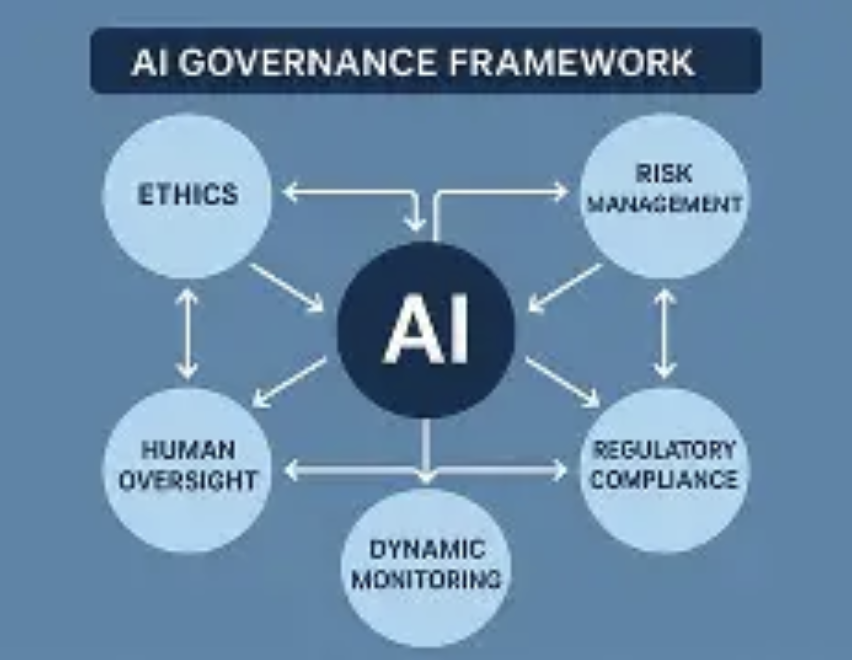
Algorithms have quietly emerged as the new decision-makers, influencing opportunities, power, and dominance in manners that were previously the responsibility of individuals. For those aiming to preserve authority in this transformed environment, the essential strategy is not to oppose algorithms, but to comprehend, interact with, and influence them. The future of authority is held by those who acknowledge that coding is the modern form of influence—and that mastering algorithmic authority represents the pinnacle of control in the digital era.
(Writer:Cily)
Related Articles