Home EEG: Wearable Neurotech Explained
advertisement
For wealthy tech lovers, the idea of interpreting brain waves at home is appealing. However, do consumer EEG devices offer more than just high prices? To find out, one must explore what they can actually do and where they fall short, especially for those who value accuracy and intent.
The Science Behind the Headbands
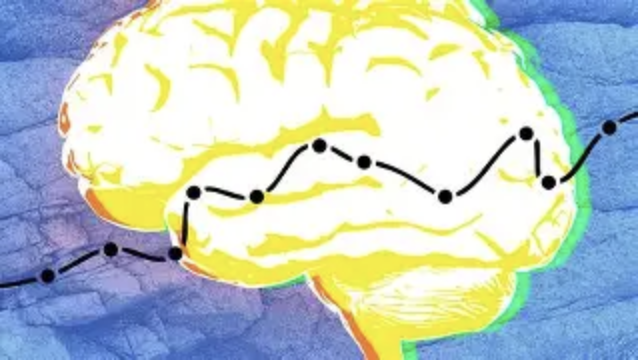
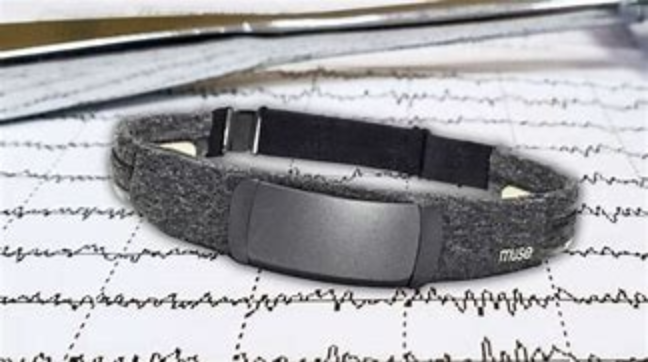
Home EEG devices utilize dry electrodes to measure electrical activity, representing a significant upgrade from traditional clinical setups that rely on conductive gels. High-end models such as Flowtime and Muse S 2 come equipped with 7 to 10 sensors, unlike budget models that typically have 1 to 3, allowing them to monitor theta waves (which indicate relaxation) and beta waves (linked to focus) with fairly good accuracy. They are effective at recognizing general mental states, whether it’s the calm of a meditation session or the alertness during a work sprint. Nonetheless, these devices cannot interpret specific thoughts or diagnose medical issues, as clinical EEGs employ over 20 sensors and advanced medical software. Luxury home devices partially close this gap by using AI algorithms that transform raw data into useful insights, such as personalized focus timers or assessments of sleep quality.
Beyond Meditation: Practical Applications
For those who excel, these tools go beyond just wellness fads. A significant area is cognitive enhancement: gadgets such as the Neurosity Crown connect with smart home technology, adjusting lighting when theta waves increase (indicating a lack of focus) or enhancing background music during beta waves (boosting efficiency). Athletes also make use of these devices to sharpen their mental strength. For instance, golfers study their brain activity while practicing their putting to spot moments when their concentration dips. Additionally, people who prioritize sleep gain advantages: the upcoming models of the Oura Ring will include EEG features that link brain activity with heart rate, helping to tell apart deep sleep from restless times, and providing customized tips for improved recovery—essential for leaders juggling demanding responsibilities.

The Luxury of Precision
What makes the higher price acceptable? The use of medical-grade materials along with exclusive algorithms does. Companies like Kernel, supported by influential tech leaders, utilize gold-plated electrodes for enhanced signal clarity and employ machine learning models that analyze thousands of brain scans, minimizing disruptions from movement or hair. Rather than merely presenting graphs, their applications offer practical routines, such as a 12-minute breathing exercise tailored to how your brain reacts to stress, or a pre-meeting strategy to boost creative alpha waves. For users who care about privacy, high-end devices analyze data on-device, sidestepping risks associated with cloud storage—a feature attractive to wealthy individuals who value security.
While home EEG devices are not miraculous, they are certainly significant. For those interested in enhancing their personal development, these devices provide insight into brain patterns, transforming vague mental states into quantifiable and alterable behaviors. When used with purpose, they serve as instruments for improving concentration, recovery, and resilience—demonstrating that in the quest for optimal performance, gaining insight into your brain’s workings is an invaluable advantage.
(Writer:Juliy)
Related Articles