Habits Under Scrutiny: Tech’s Intimate Insight
advertisement
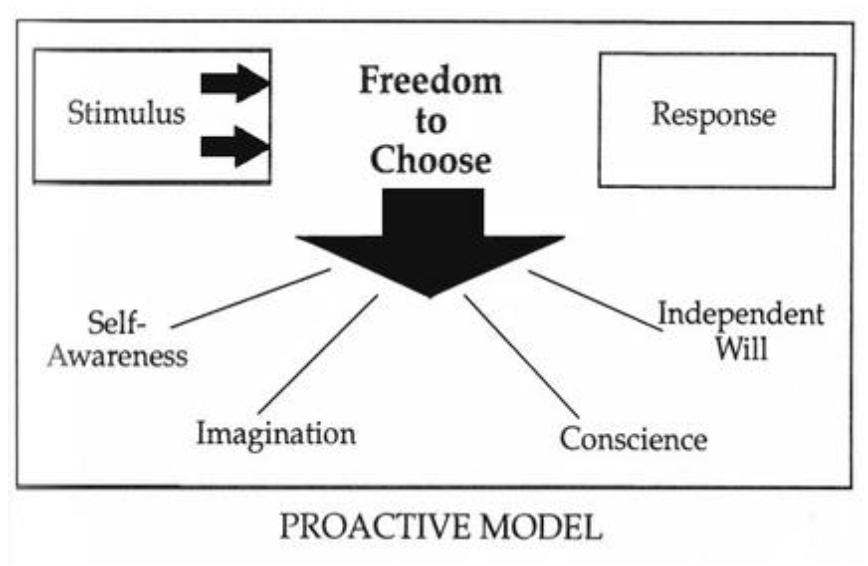
For individuals who enjoy tailored lifestyles and effortless experiences, the increasing capability of technology to interpret personal behaviors transcends mere convenience—it signifies a subtle transformation of independence. What initially manifests as customized suggestions progressively develops into a scenario where devices foresee requirements, obscure distinctions, and alter the interpretation of acting on free will instead of being nudged by algorithms.

Personalization as a Constraint
Luxurious technological products, whether smart home tools or exclusive concierge services, not only adjust to habits but also confine them. A wine refrigerator that automatically orders your favorite variety before it depletes, or an apparel application that recommends outfits based on previous selections, limits your access to novel possibilities, converting familiarity into a barrier that suppresses impulsiveness.
An intelligent private dining setup that designs meals solely based on your previous taste choices may alleviate the burden of choosing, but it also subtly excludes daring, novel dishes that might have brought delightful culinary surprises. As time progresses, this customized ease narrows your culinary comfort zone, transforming the ability to choose into a repetitive cycle of uniformity.
The Mirage of Freedom
Technology's ability to understand habits establishes a misleading perception of control. Upscale travel websites that "anticipate" your perfect destination, or investment applications that modify portfolios automatically according to spending trends, present algorithm-generated results as individual choices. You may believe you are in charge, yet your selections are subtly guided by insights derived from your historical actions.
Routines Capitalized Beyond Acquisition
For those engaged in high levels of consumption, behaviors transcend simple routines—they transform into significant data resources. Luxury brands collaborate with technology companies to analyze your morning coffee habits, nightly skincare rituals, or preferences for weekend getaways, converting personal practices into targeted upsell possibilities that resemble monitoring more than assistance.

Unseen Behavioral Manipulation
Smart technologies leverage insights about habits to shape reactions without notice. An advanced fitness tracker that modifies its reminder sounds to coincide with your most attentive time, or a home speaker that schedules news alerts in line with your breakfast routine, incrementally adjusts your agenda to accommodate its algorithms instead of your natural patterns.
Diminished Autonomy in Routine
When technology effortlessly handles habits, the art of self-control diminishes. Features like automatic password fills, daily route planning without your input, or meal plans created from past purchases eliminate the minor decision-making moments that define self-identity. You cease to make choices—you simply adhere to the narrative your habits have crafted for the algorithm.
Confidence Undermined by Predictability
As technology becomes increasingly precise in forecasting your actions, the absence of surprise becomes increasingly disconcerting. A thoughtful gift from a partner loses its significance if your smart calendar reveals the event, or an unplanned dinner lacks appeal when your phone reserves your “regular table” in advance. What was once a comforting predictability morphs into a realization of how transparent your habits truly are.
The deep understanding of habits by technology is not necessarily a threat—it is the understated transfer of authority that creates discomfort. For those who prioritize control alongside convenience, the genuine challenge lies in preserving autonomy amidst algorithms that predict your subsequent actions before you even consider them.
(Writer:Tick)
Related Articles