Are Passwords Becoming Useless?
advertisement
For many years, passwords have served as the guardians of our online experiences—but in the present, they are more frequently regarded as outdated and susceptible. For those who consume heavily, this represents more than mere inconvenience; it signifies a demand for intelligent and more robust methods to safeguard assets, privacy, and limited access. The evolution of security rests not in recalled passwords, but in innovations that combine stealth with invulnerability.
Biometric Authentication 2.0
Next-generation biometric methods extend beyond simple fingerprint systems. High-end devices utilize palm vein recognition, taking advantage of distinctive patterns that cannot be replicated, to unlock smartphones, secure safes, or even smart yachts. Certain luxury residences utilize iris scanning combined with the analysis of subtle facial movements to ensure that even images or masks are unable to compromise security. These techniques are not only more secure but also provide a seamless experience, catering to the elite’s desire for effortless luxury.
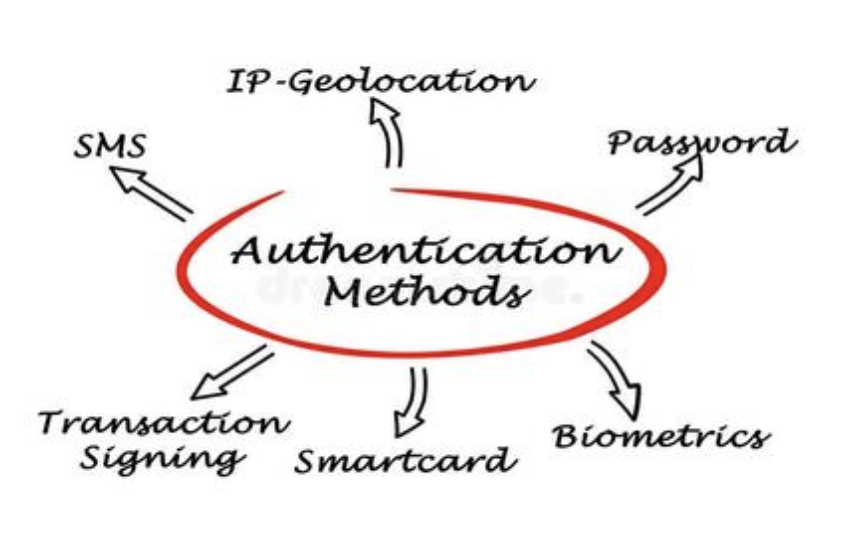
Your everyday actions have become your new key. Systems powered by artificial intelligence examine your phone holding style, typing habits, and even walking patterns, generating an exclusive "behavioral fingerprint." For instance, a private banking application might flag a transaction if your typing speed appears irregular, or a smart vehicle may decline to start if the driver’s seating position feels unfamiliar. This form of protection operates quietly, safeguarding you without disrupting your daily routine.
Contextual Access Management
Security measures are now responsive to your surroundings. High-end services leverage contextual information, such as your current location, the specific time, and nearby trusted devices to grant access. When you are at your villa with your smartwatch in proximity, your laptop unlocks automatically; however, if you are traveling internationally, it may require an additional verification process, like a voice command. It represents a balance between stringent security and adaptable convenience.
Zero-Knowledge Verification
The future focuses on confirming your knowledge without revealing it. Zero-knowledge authentication methods allow you to verify your identity on luxury platforms, such as art auction sites or exclusive investment applications, without transmitting a password. Instead, you tackle a unique cryptographic challenge that only you can solve, ensuring your private information stays on your device. This represents the pinnacle of privacy for discerning individuals.
Affluent users are increasingly embracing digital identity wallets built on blockchain technology. These wallets consolidate all authentication credentials, including biometrics, behavioral information, and contextual preferences, into one secure and encrypted location. You control the information shared with various services, whether dealing with high-end retailers or private airport lounges. This creates a centralized security system that streamlines access while enhancing user control.
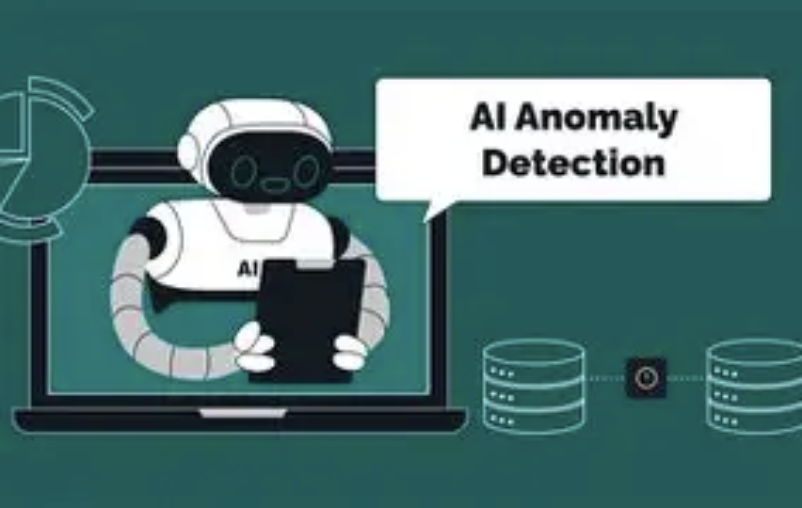
AI-Enhanced Anomaly Detection
Modern security systems now operate with detective-like intelligence. Real-time monitoring of your digital behavior by AI identifies even minor irregularities, such as logging into your jewelry store account from an unfamiliar device or making a significant purchase. Some luxury services even feature AI "security advisors" who may contact you to confirm questionable activity, adding a personal element to automated security measures. It embodies a proactive rather than merely reactive approach to security.
Passwords have become obsolete; they represent an outdated method of security. For high-end consumers, the future of safeguarding is centered around technologies designed to assist rather than hinder: ensuring your assets, privacy, and exclusive access without requiring you to memorize anything. In an environment where both convenience and security hold equal importance, passwords simply cannot keep up with the demands of today's users.
(Writer:Frid)
Related Articles