This Is Not a Tech Revolution, But a Career Shake-Up
advertisement
The excitement surrounding new technologies frequently inspires discussions of upheaval—of machines replacing human jobs and dramatic endings to specific eras. However, the true transformation taking place is more nuanced and significant: a gradual reassessment of career structures, where value is not determined by technology itself but by individuals’ abilities to adjust to its evolution in the workplace.
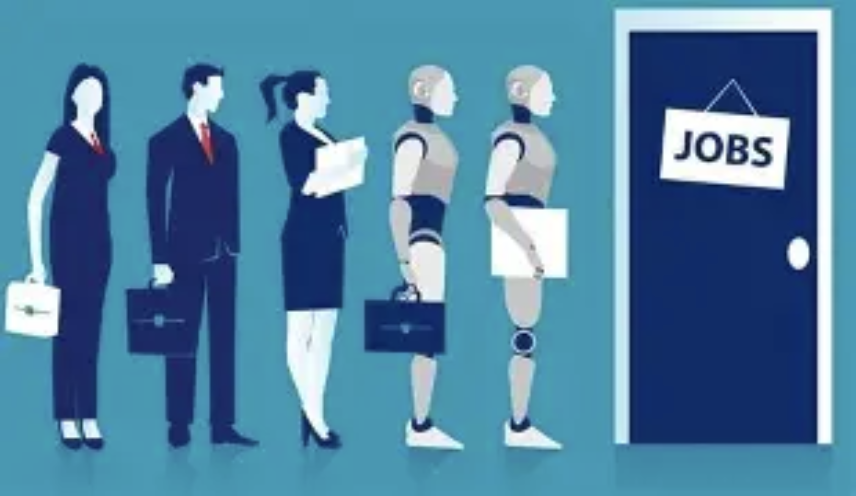
Consider corporate middle management as an example—previously esteemed for regulating the distribution of information and implementing strict operational procedures. In the present day, automation driven by artificial intelligence and open collaboration tools have diminished that conventional significance; rather, professional advancement is in the hands of individuals who embrace technology to equip teams, address skill deficiencies, and redefine strategic focuses, altering organizational structures in favor of flexible leadership instead of rigid governance.
Value Reframers Over Skill Competitors
The individuals who excel are not merely those learning new technologies; rather, they are those who reinterpret their current skills. For example, an experienced luxury consultant doesn’t just acquire knowledge of AI analytics—they incorporate it into tailored client strategies, transforming data into unique insights that only a human touch can provide, thereby enhancing their role from simple task execution to strategic partnership.
Cross-Domain Integrators’ New Turf
Traditional career boundaries are dissolving, leading to a rise in integrators. Unlike individuals confined to specialized positions, perceptive professionals connect disparate fields: a traditional jewelry maker integrating 3D printing with artisanal techniques, or a wealth advisor combining blockchain expertise with long-term asset management—creating distinctive, essential niches.
While technical knowledge becomes more common, subjective abilities accumulate greater worth. Attributes like empathy, contextual interpretation, and the ability to cultivate relationships—traits machines cannot replicate—become essential to careers. For instance, an upscale travel planner leverages technology to optimize operations but relies on years of established trust to design custom journeys, transforming business transactions into lifelong relationships.
Resilience Architects of Career Paths
Careers resistant to upheaval are crafted by those preparing for adaptability. Rather than sticking to secure positions, progressive individuals view their careers as dynamic portfolios: a corporate leader shifting to guide startups in sustainable practices, or a celebrated chef launching a technology-driven private dining experience—remaining flexible while holding onto fundamental values.

Legacy-Builders in Ephemeral Roles
The transformation favors those who create lasting influence rather than merely holding jobs. A luxury fashion director doesn’t chase the latest tech trends; they utilize digital resources to conserve craftsmanship skills, evolving their position into a custodian of tradition. This legacy-centered focus protects them from transient industry changes while appealing to audiences who appreciate longevity.
Self-Defined Boundaries as an Advantage
Conventional career hierarchies are diminishing, and those who establish their own parameters succeed. High-caliber individuals dismiss generic roles: a tech entrepreneur transitioning to advisory positions for luxury firms, or a wellness specialist devising a blended approach of in-person retreats complemented by AI-driven follow-up—navigating market needs while maintaining independence.

This career transformation is not centered around merely adapting to technology but involves rethinking one’s role within its sphere. For those who recognize the potential for value creation beyond mastering tools, it presents a chance to ascend amid the chaos, shaping careers that persist long after the initial excitement surrounding technology has subsided.
(Writer:Juliy)
Related Articles
